
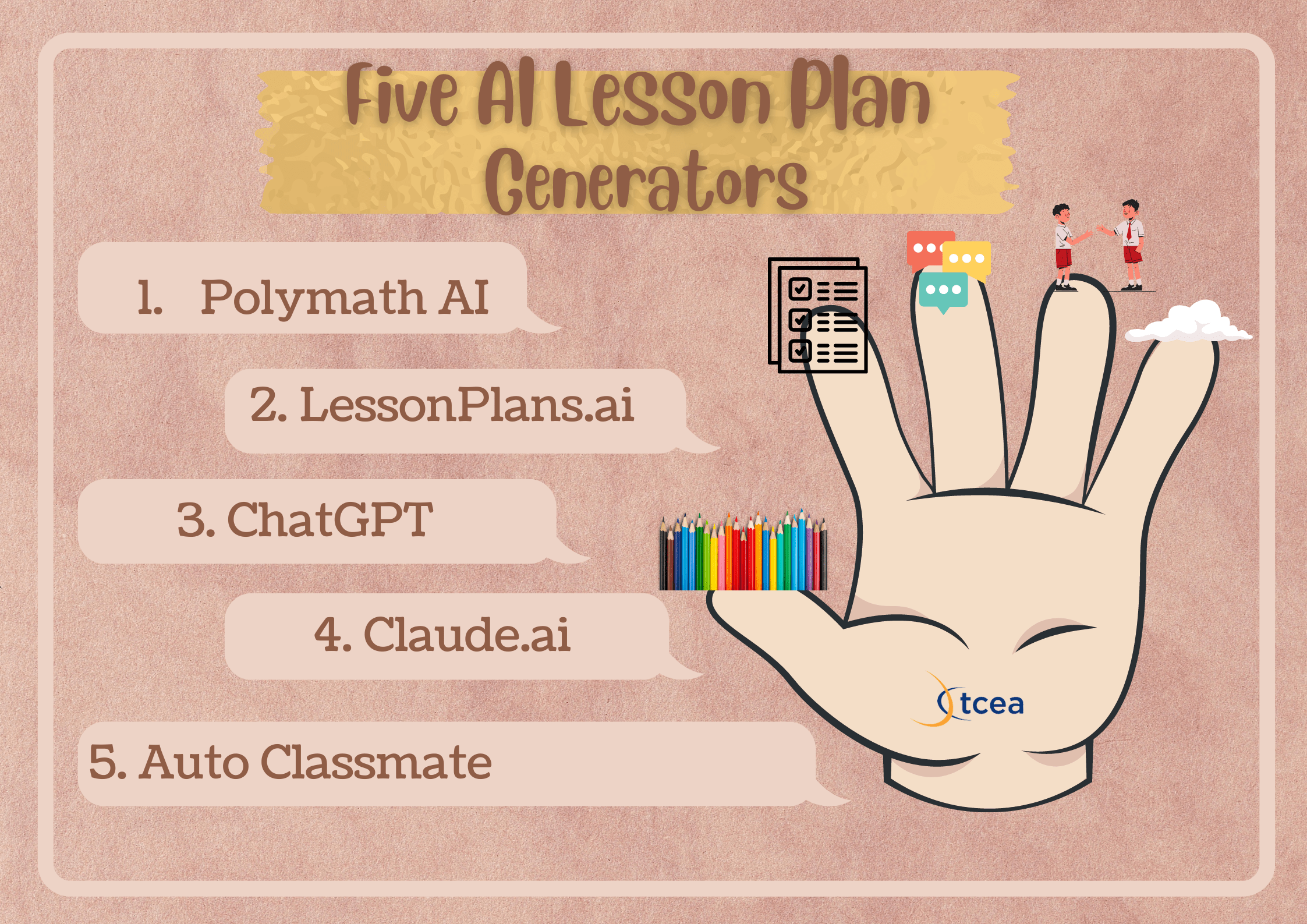
Alright, let’s dive into how Artificial Intelligence (ai) is totally changing the game for lesson planning in schools. We’re talking about making life easier for teachers, personalizing learning for students, and generally shaking things up in a really good way. This isn’t about robots taking over classrooms, but more about having a super-smart assistant that helps educators do their best work.
The Daily Grind of Lesson Planning: A Teacher’s Tale
Think about what goes into a teacher’s day. It’s not just standing in front of a whiteboard and talking. There’s a mountain of prep work. Every single day, teachers are figuring out what to teach, how to teach it, what activities to use, how to assess if kids “got it,” and how to make sure every student, from the super-speedy learners to those who need a bit more time, feels supported and challenged. This is where lesson planning comes in. It’s the blueprint for learning, the roadmap for the day, week, or even the whole term.
Traditionally, this means hours spent poring over textbooks, searching for resources online, creating worksheets from scratch, and trying to remember what worked well (or bombed) last year. Then, you’ve got to consider all the different learning styles in your classroom. Some kids are visual, some are auditory, some learn by doing. And what about students with special educational needs, or those who are way ahead of the curve? Tailoring lessons for everyone is a huge task, often feeling like an impossible puzzle. It’s a massive time sink, and frankly, it can be exhausting. Many teachers burn out trying to keep up with the demands of personalized instruction.
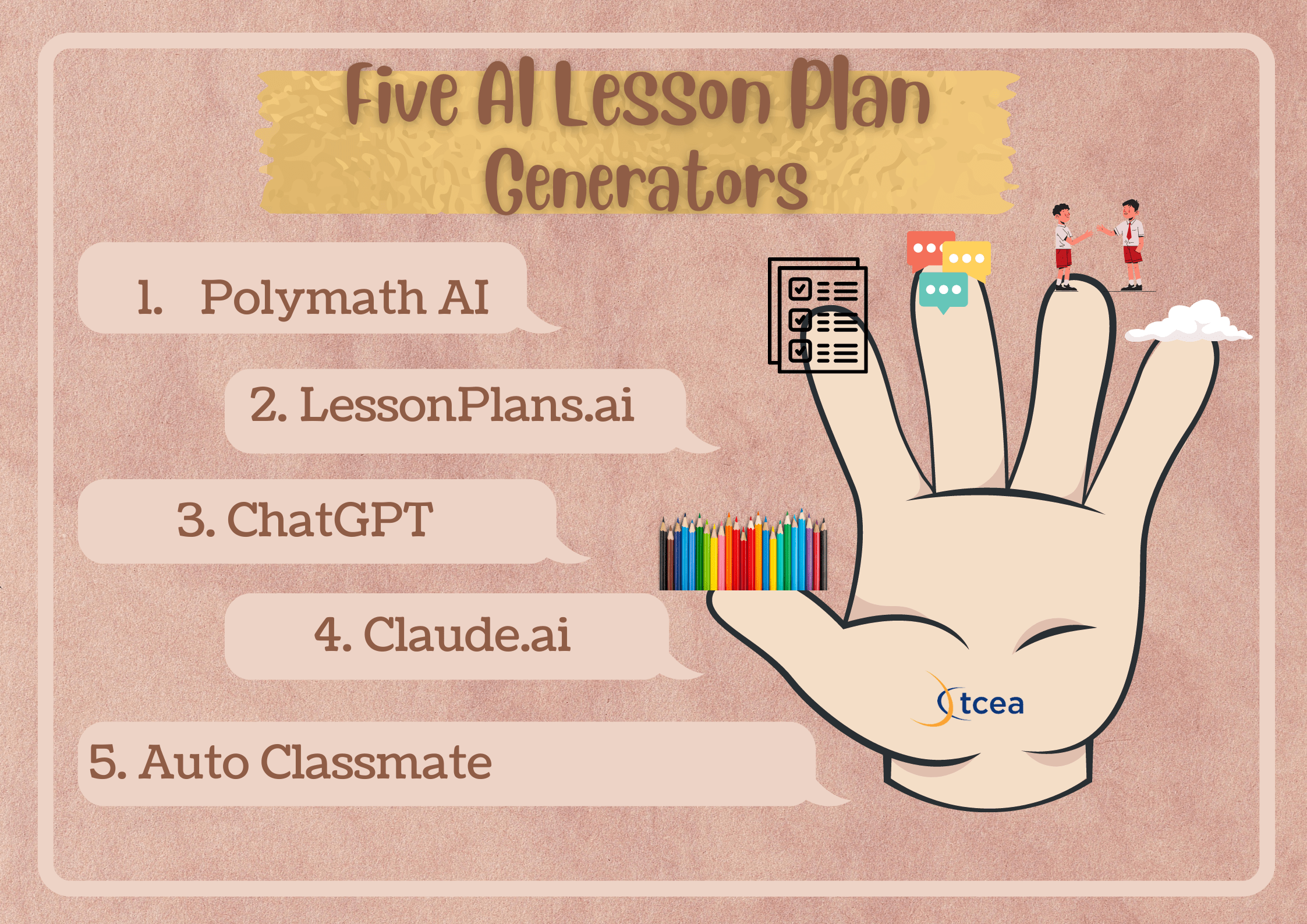
Enter AI: Your New Lesson Planning Sidekick
Now, imagine having a tool that could instantly suggest engaging activities for a specific topic, whip up differentiated worksheets, or even help you craft assessment questions that hit just the right learning objectives. That’s where AI steps in. It’s not here to replace the human element of teaching, which is super important, but to act as a powerful sidekick, freeing up teachers to do what they do best: connect with students and inspire them.
So, how does AI actually help with lesson planning? Let’s break it down in a way that makes sense, without getting too bogged down in tech jargon.
# 1. Instant Idea Generator and Content Creator

You know those moments when you’re staring at a blank document, trying to come up with a fresh way to explain fractions or the causes of World War II? AI can be your brainstorming buddy. You can feed it a topic, a grade level, and even specific learning objectives, and it can spit out a bunch of ideas for activities, discussion prompts, or even project-based learning scenarios.
Beyond just ideas, AI can actually create content. Need a reading passage on a certain historical event, but at a slightly simpler reading level for some students? AI can do that. Want a quick quiz to check understanding after a lesson? AI can generate those questions for you in seconds. This saves tons of time that teachers would typically spend searching, adapting, or creating these materials from scratch. It’s like having a dedicated content factory working just for you.
# 2. Personalization Power-Up
One of the biggest challenges in teaching is meeting the needs of every single student in a diverse classroom. AI is a superstar when it comes to personalization. Imagine a system that can analyze how a student is performing – not just their test scores, but how long they spend on a task, what types of questions they struggle with, and even their preferred learning style.

Based on this data, AI can then suggest tailor-made learning paths. For a student who’s rocking it, it might offer more advanced challenges or extension activities. For someone who’s a bit stuck, it could suggest simpler explanations, extra practice problems, or even recommend different types of resources (like a video instead of a text explanation). This means every student gets content and activities that are just right for them, keeping them engaged and helping them progress at their own pace. It’s about moving away from a “one-size-fits-all” approach to education.
# 3. Time-Saving Superhero
Let’s be real, time is a precious commodity for teachers. The more administrative tasks AI can handle, the more time teachers have to actually teach, mentor, and build relationships with their students. Lesson planning is notoriously time-consuming, but AI can significantly cut down on those hours.
Think about it:
This means less time spent on the mundane and more time for actual teaching, for being present with students, and for tackling the really important stuff that only a human teacher can do.
# 4. Keeping Things Fresh and Engaging
Students today are digital natives. They’re used to interactive experiences and engaging content. AI can help teachers keep their lessons from feeling stale. It can suggest gamified learning elements, virtual reality experiences, or even help create interactive simulations that bring abstract concepts to life.
For example, an AI could help design a virtual field trip to ancient Rome, complete with interactive challenges and quizzes, all tied to the curriculum. Or it could help generate a debate scenario between historical figures, with prompts and arguments tailored to different student groups. This kind of dynamic content isn’t just fun; it can significantly improve student engagement and retention.
# 5. Data-Driven Decisions (Without the Headache)
Teachers are constantly making decisions based on how their students are doing. But gathering and analyzing all that data manually can be overwhelming. AI can help here by pulling together insights from student performance.
Imagine an AI system that shows you, at a glance, which concepts the whole class is struggling with, or which individual students might need extra support in a particular area. It can highlight trends that might be invisible to the naked eye. This data isn’t about judging teachers; it’s about giving them really useful information to adjust their teaching strategies on the fly. If you see that 80% of your class is messing up a specific type of math problem, AI can flag that, allowing you to re-teach that concept before moving on. It helps make teaching more responsive and effective.
What AI Isn’t (and Why That’s Good)
It’s super important to understand that AI isn’t going to replace teachers. It’s a tool, just like a whiteboard or a textbook. The magic of teaching comes from the human connection, the ability to inspire, to understand individual student struggles on an emotional level, and to adapt to unexpected classroom moments. AI can’t replicate that.
What AI can do is take away some of the heavy lifting, the repetitive tasks, and the time-consuming planning that often keeps teachers from focusing on those truly human aspects of their job. It’s about empowering teachers, not replacing them.
Challenges and Things to Keep in Mind
Of course, it’s not all sunshine and rainbows. There are a few things we need to think about as AI becomes more common in education:
Quality Control: While AI is clever, it’s not perfect. Sometimes it might generate content that’s not quite right, or even a bit biased. Teachers will always need to review and refine what AI produces, using their expertise to ensure accuracy and appropriateness.
The Future is Now: Getting Started with AI in Lesson Planning
The good news is that many AI tools designed specifically for educators are already out there, and new ones are popping up all the time. Some are free, some are subscription-based, but they all aim to make a teacher’s life a bit easier.
For teachers, getting started could be as simple as using a free AI writing assistant to help brainstorm ideas for a new unit or to rephrase a tricky concept for younger students. As they get more comfortable, they can explore more advanced tools that offer personalized learning pathways or sophisticated assessment generation.
The key is to experiment, to see what works for your particular teaching style and your students’ needs. Don’t be afraid to try new things and see how AI can genuinely transform the way you approach lesson planning.
Wrapping It Up
So, there you have it. AI in lesson planning isn’t some futuristic dream; it’s happening right now. It’s a powerful ally for teachers, helping them to create more engaging, personalized, and effective learning experiences for every student. By taking on some of the administrative burdens and providing intelligent insights, AI frees up teachers to focus on the truly important, human-centric aspects of their incredibly vital profession. It’s about working smarter, not harder, and ultimately, making education better for everyone involved.