

Designing Your Dream Dig with ai: A Deep Dive into Home Design Software
Ever dreamt of redecorating your entire living space, knocking down a wall, or even designing your perfect new home from scratch, but felt overwhelmed by the sheer scale of it all? The good news is, in this amazing age of technology, there’s a revolutionary helper on the scene: AI home design software. Forget dusty blueprints and endless trips to furniture shops; artificial intelligence is changing the game, making professional-level interior design accessible to pretty much anyone with a computer.
This isn’t just about picking out a nice sofa; we’re talking about incredibly sophisticated tools that can analyze your preferences, optimize layouts, generate photorealistic renders, and even help you consider practicalities like light exposure and energy efficiency. It’s like having an army of interior designers, architects, and data analysts at your fingertips, all working tirelessly to bring your vision to life.
So, what exactly is AI home design software, and how does it manage to pull off such impressive feats? At its core, it’s a type of application that leverages the power of artificial intelligence, specifically machine learning and computer vision, to assist users in creating and visualizing interior spaces. You feed it information – your room’s dimensions, your style preferences (think minimalist, bohemian, industrial, traditional, etc.), your desired color palettes, and even the kind of furniture you’re eyeing – and the AI gets to work.
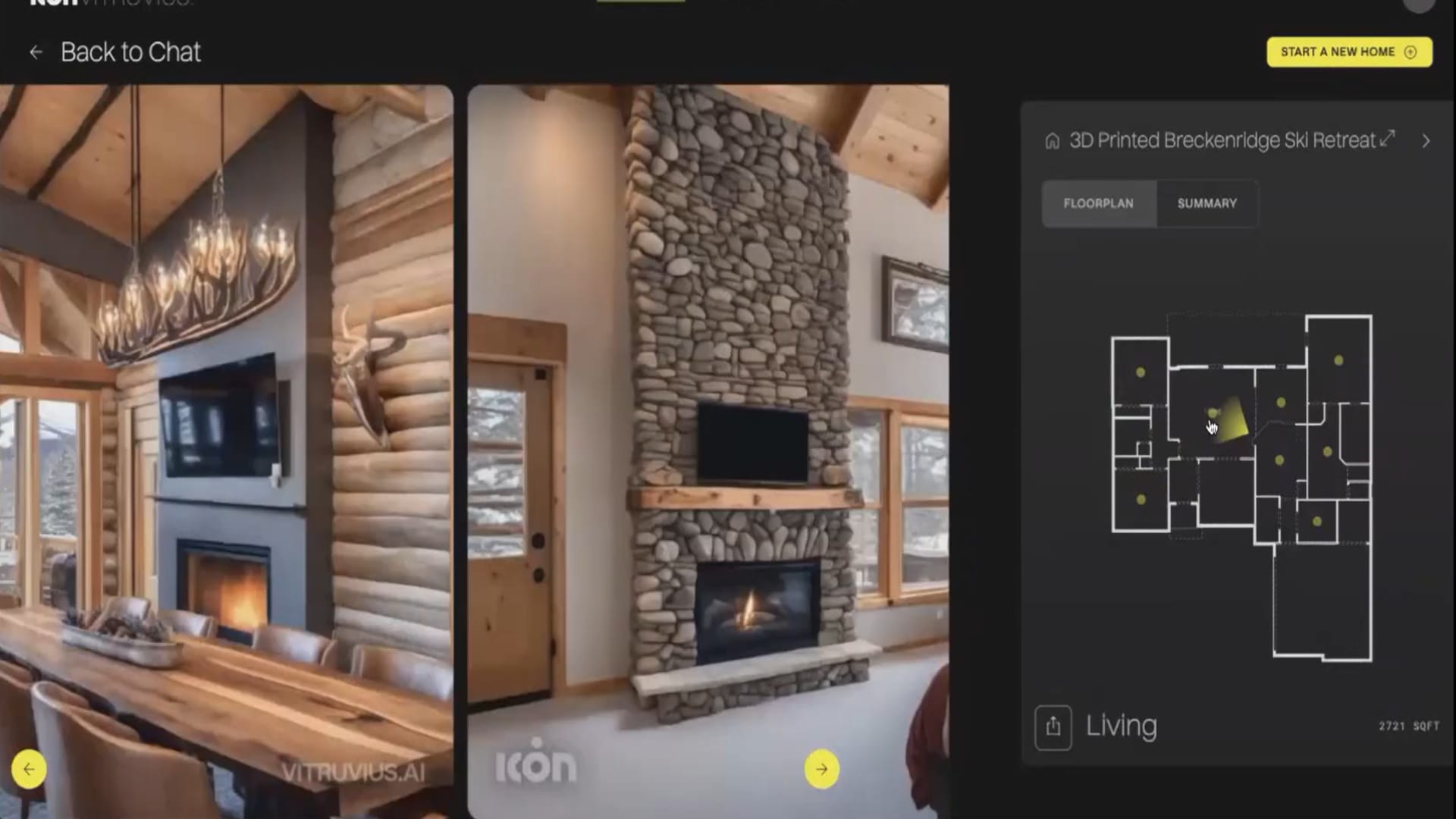
The magic happens behind the scenes. Machine learning algorithms, trained on vast datasets of design patterns, spatial data, and even user interactions, begin to process your input. They recognize shapes, understand spatial relationships, and learn what combinations of elements tend to look good together. Computer vision, on the other hand, allows the software to “see” and interpret images. This means you can often upload a photo of your existing room, and the AI will analyze its current state, allowing you to seamlessly experiment with changes within that context.
One of the coolest things these tools do is offer personalized design recommendations. Instead of just giving you generic options, the AI considers your unique taste. It might ask you a few questions about your lifestyle, how you use a particular room, or what kind of mood you want to evoke. Then, based on its extensive knowledge base, it suggests furniture layouts that optimize flow and functionality, recommends color schemes that complement each other and your chosen style, and even proposes specific decor items that fit the overall aesthetic. It’s like having a design guru who truly understands your vibe.
Beyond just aesthetics, AI home design software excels at smarter space planning. Ever tried to figure out if that massive corner sofa will actually fit in your living room without blocking the doorway? AI can do that in a blink. It can automatically optimize furniture placement, suggest multi-functional pieces to maximize small spaces, and even flag potential problem areas like tight walkways or cluttered corners before you even lift a finger (or a heavy piece of furniture). This proactive problem-solving saves a ton of time, effort, and potential frustration.
And then there are the visual wonders. Remember those clunky 2D floor plans that left so much to the imagination? AI home design software takes visualization to a whole new level. It can generate incredibly high-quality, photorealistic 3D renders of your design projects in a matter of seconds. This means you can see exactly how your space will look – down to the texture of the fabric on a cushion or the way light hits a wall – before you commit to any purchases or renovations. You can experiment with different furniture setups, decor styles, and light fixture placements with unparalleled ease, empowering you to make truly informed decisions. This ability to “try before you buy” is a massive advantage, preventing costly mistakes and ensuring the final result truly matches your vision.
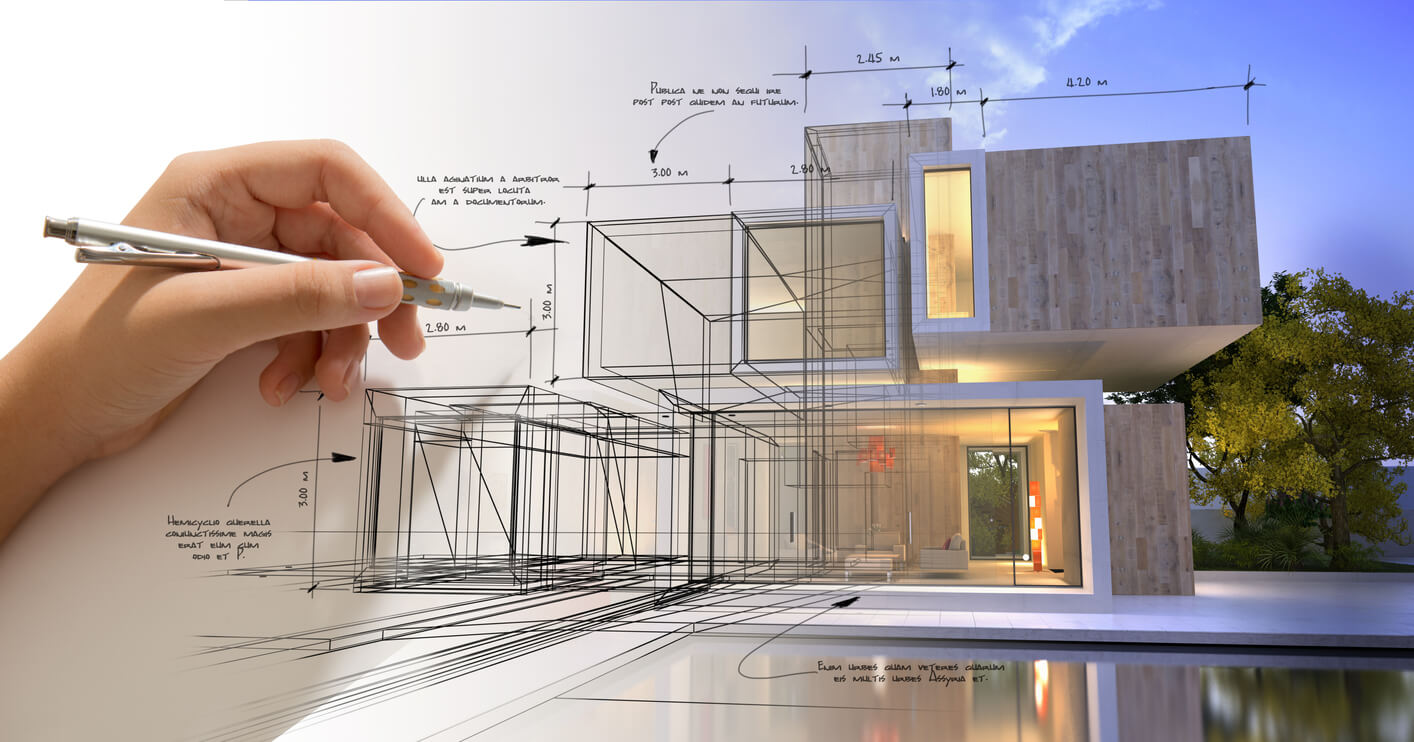
The accessibility of these tools is another huge benefit. You don’t need to be a seasoned architect or an interior design professional with years of training to use them. Most AI home design software is designed with user-friendliness in mind, featuring intuitive interfaces that guide you through each step of the process. This democratizes design, allowing homeowners to confidently create and modify their dream spaces without shelling out for expensive professional services. Of course, professionals also benefit immensely, as these tools streamline their workflow, allowing them to present more options to clients faster and with greater accuracy.
Think about the sheer time and cost savings. Traditionally, designing a home or even just a single room involved a lot of back-and-forth, physical samples, and often, expensive consultations. With AI, you can generate multiple design variations and ideas in minutes, explore countless possibilities, and refine your choices until they’re perfect, all from the comfort of your own home. This efficiency translates directly into cost savings, as you can take on more of the design process yourself.
Now, let’s talk about some of the cool features you’ll often find in these AI-powered applications. Many have a “Smart Wizard” or similar intelligent design feature that guides you. You tell it the room’s function (bedroom, kitchen, office), your preferred design style, and maybe a few layout preferences, and the AI suggests furniture placement and layout options tailored to your input. This takes the guesswork out of initial planning.
Then there’s the “Design Generator” – a game-changer for brainstorming. If you’re stuck for ideas, this tool can churn out multiple design variations based on your criteria, opening up a whole world of creative possibilities you might not have considered on your own. Need a fresh concept or a starting point? The Design Generator is your friend.
Beyond basic layouts and furniture, advanced AI tools can simulate lighting conditions, allowing you to see how natural and artificial light sources will affect the ambiance of your room throughout the day. Some even incorporate budget management features, helping you track expenses and compare prices of different items, ensuring you stay within your financial limits. And for those who love to experiment with textures and materials, many platforms offer virtual material and texture simulation, letting you visualize how different surfaces will look and feel in your space.
The impact of AI home design software extends far beyond individual homeowners. It’s revolutionizing the real estate industry, too. For instance, AI-powered virtual staging tools are transforming how properties are presented. Instead of leaving vacant homes looking drab, real estate agents can use AI to digitally furnish and decorate them in various styles, giving potential buyers a much better sense of the space’s potential. This often leads to quicker sales and higher perceived value.
AI is also making its way into the broader architectural design world. Generative design tools, powered by AI, can analyze vast amounts of data – including climate patterns, local building regulations, and customer preferences – to create optimized blueprints that maximize space, natural light, and energy efficiency. Architects can use these tools to rapidly generate hundreds of concept designs, allowing for faster iterations and more innovative solutions. This is not about replacing human creativity but augmenting it, providing powerful new ways to explore and refine design concepts.
Looking to the future, the possibilities are truly exciting. We’re already seeing the integration of AI with augmented reality (AR) and virtual reality (VR) technologies, creating truly immersive design experiences. Imagine walking through your future living room with a VR headset, moving furniture around with your hands, and seeing the changes in real-time. This level of immersion will only make the design process more intuitive and engaging.
We can also expect AI to become even more sophisticated in understanding and adapting to individual moods and lifestyles. Picture a living room that intelligently adjusts its lighting, temperature, and even music based on your presence, your preferences, and the time of day. This goes beyond static design to truly adaptive, responsive living spaces that cater to your every need.
Furthermore, AI’s role in sustainability will grow. Smart algorithms can already suggest energy-efficient appliances and sustainable materials, helping to reduce the environmental footprint of our homes. As data on material properties and environmental impacts becomes more comprehensive, AI will be an invaluable tool in designing truly green and eco-friendly spaces.
Of course, with any rapidly advancing technology, there are considerations. While AI offers incredible speed and efficiency, the human touch remains invaluable for highly customized, luxury projects where intricate details and a unique artistic vision are paramount. Some might argue that AI-generated designs could become generic if not carefully guided by human creativity. However, the prevailing view is that AI is a powerful assistant to human designers, not a replacement. It frees up designers from repetitive tasks, allowing them to focus on the more creative, conceptual aspects of their work.
For those looking to leverage AI home design software for SEO purposes, the key is to create genuinely helpful, informative, and comprehensive content. When writing long articles like this one, remember to:
Go Deep on the Topic: Don’t just skim the surface. Explore every facet of AI home design software – its mechanisms, benefits, features, impact on various industries, and future potential. This demonstrates expertise and provides immense value to the reader.
In conclusion, AI home design software is far more than a passing fad; it’s a transformative technology that’s democratizing design, making it more efficient, affordable, and personalized than ever before. From helping individuals visualize their dream homes to empowering real estate agents and architects with cutting-edge tools, AI is reshaping how we envision, create, and interact with our living spaces. As the technology continues to evolve, we can anticipate even more intuitive, intelligent, and immersive design experiences that truly adapt to our unique needs and desires. The future of home design is here, and it’s powered by artificial intelligence.