

Your Digital Sidekick: How ai Writing Assistants Are Leveling Up the Student Game
Let’s face it, being a student today is tough. You’re juggling lectures, tutorials, assignments, exams, and probably a part-time job or two. And then there’s the writing – essays, reports, research papers, discussion posts… it feels like a never-ending stream of words. It’s enough to make anyone feel overwhelmed, right? Well, what if I told you there’s a new kind of helper in town, a digital sidekick that can make all that writing a little bit easier? We’re talking about AI writing assistants, and they’re becoming a real game-changer for students navigating the academic jungle.
Now, before you picture robots writing your entire dissertation while you kick back and play video games, let’s get real. AI writing assistants aren’t about cheating or replacing your brain. Instead, think of them as smart tools, like a super-powered spell-checker, grammar guru, and brainstorming buddy all rolled into one. They’re designed to help you improve your writing, not just do it for you. And for students, that can be a massive relief.
So, how exactly are these AI helpers lending a hand to students? Let’s dive in.
Breaking Through Writer’s Block: The Blank Page Conqueror
We’ve all been there: staring at a blinking cursor on a blank screen, feeling that familiar dread creep in. Writer’s block is a real beast, especially when deadlines are looming. This is where AI writing assistants can shine. They can quickly generate ideas, brainstorm different angles for your topic, or even create a basic outline to get you started.
Imagine you have an essay due on “the impact of climate change on coastal communities.” You’ve read a bunch of articles, but you’re struggling to organize your thoughts into a coherent structure. An AI assistant can take your initial ideas and suggest headings, subheadings, and even potential points to discuss under each section. It’s like having a helpful tutor sitting next to you, nudging you in the right direction when you’re feeling stuck. This initial push can be incredibly valuable, helping you overcome that intimidating blank page and get the words flowing. It doesn’t write the essay for you, but it lays down the scaffolding so you can start building.
Polishing Your Prose: Grammar, Spelling, and Style Made Easy

Let’s be honest, not everyone is a grammar whiz, and even the best writers make mistakes. Misplaced commas, awkward phrasing, repeated words – these little errors can distract your reader and even cost you marks. This is where AI writing assistants become your personal proofreader.
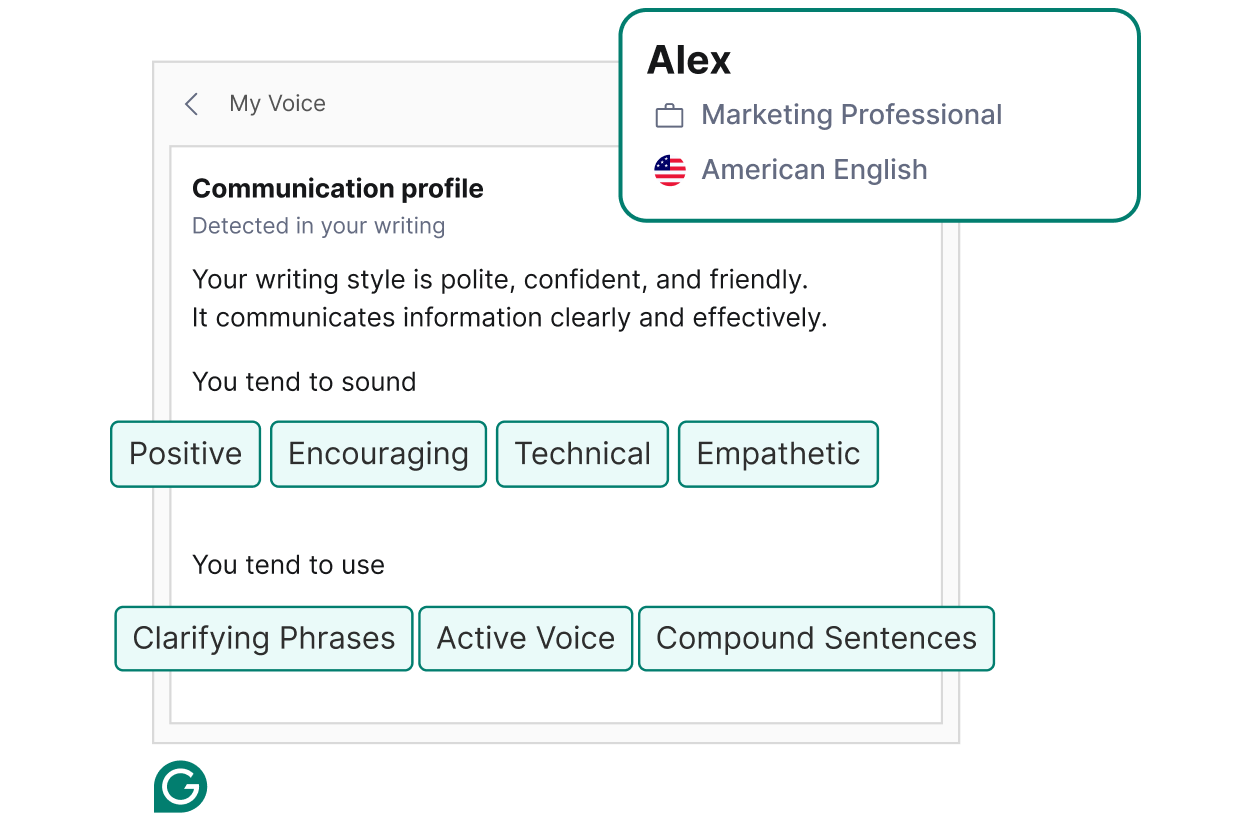
Tools like Grammarly have been around for a while, catching typos and grammatical errors. But today’s AI assistants go way beyond that. They can analyze your writing for clarity, conciseness, and even tone. They can suggest alternative words to make your vocabulary richer, rephrase sentences to improve flow, and point out areas where your arguments might be a bit fuzzy. For students, especially those for whom English isn’t their first language, this can be an absolute lifesaver. It helps them communicate their ideas more effectively and confidently, without constantly worrying about making basic linguistic mistakes. Think of it as having a second pair of eyes, always on the lookout for ways to make your writing sparkle.
Speeding Up the Research Process: A Smart Assistant for Information Overload
Research is a huge part of academic writing, and it can be incredibly time-consuming. Sifting through countless articles, identifying key arguments, and synthesizing information from various sources is a skill that takes time to develop. Some AI writing assistants are now equipped to help with this too.

While they won’t replace the critical thinking and analysis required for true research, some AI tools can help you quickly summarize long articles, extract key points from research papers, or even suggest related studies you might have missed. Imagine you’re writing a research paper and you’ve found a dense academic journal article. Instead of reading every single word, an AI tool could provide a quick summary, highlighting the main findings and methodology. This allows you to quickly assess if the article is relevant to your work, saving you precious time and helping you focus on the most impactful information. It’s about making the research process more efficient, freeing you up to spend more time on critical analysis and developing your own insights.
Learning While You Write: A Feedback Loop for Improvement
One of the coolest things about using AI writing assistants isn’t just that they help you produce better writing, but that they can actually help you become a better writer. Think of it as a constant feedback loop. When an AI tool points out a grammatical error or suggests a more concise way to phrase something, you’re not just fixing that one instance; you’re learning for the future.
By seeing these suggestions repeatedly, you start to internalize good writing practices. You become more aware of common mistakes you make, and you learn new ways to express your ideas. It’s like having a personalized writing coach available 24/7. This continuous learning can be incredibly empowering for students, helping them develop essential writing skills that will serve them well not just in academia, but also in their future careers.
Ethical Considerations and Smart Usage: Playing by the Rules
Now, it’s super important to talk about the elephant in the room: ethics. Using AI writing assistants responsibly is crucial. The goal isn’t to have the AI write your entire assignment for you and then submit it as your own work. That’s plagiarism, plain and simple, and it can have serious consequences.
Instead, think of these tools as a collaborative partner. You’re still the author, the thinker, the one responsible for the ideas and arguments. The AI is there to help you refine your expression, catch errors, and make your writing clearer and more impactful. Many universities and institutions are developing clear guidelines on how students can ethically use AI tools. The key is transparency and understanding your institution’s policies. Always check with your instructors if you’re unsure about what’s acceptable.
For example, using an AI to brainstorm ideas, check your grammar, or get feedback on your essay’s structure is generally seen as a legitimate and helpful use. Letting the AI generate large chunks of text and passing it off as your own original thought? Not so much. It’s about understanding the line and using these powerful tools to enhance your learning and output, not to bypass the learning process itself.
The Future of Student Writing: Embracing the Digital Age
AI writing assistants are no longer a futuristic concept; they’re here, and they’re evolving rapidly. For students, ignoring them would be like trying to write essays with a quill and ink when everyone else has moved on to laptops. These tools are becoming an integral part of the academic landscape, and learning how to use them effectively and ethically is a skill in itself.
As AI technology continues to advance, we can expect these writing assistants to become even more sophisticated, offering personalized feedback tailored to individual learning styles and even helping with complex tasks like structuring arguments for a debate or crafting compelling narratives. The key for students will be to embrace these tools as aids to their intellectual development, rather than substitutes for it.
So, the next time you’re staring down a hefty writing assignment, remember your digital sidekick. With an AI writing assistant by your side, you might just find that writing isn’t such a daunting task after all. It’s about working smarter, not harder, and using every available tool to help you succeed in your academic journey. Just remember to use them wisely, ethically, and always with your own brilliant brain in the driver’s seat.