

ai is rapidly transforming various aspects of human life, and one area where its impact is becoming increasingly evident is on our behavior. From how we interact with technology to our decision-making processes and even our social connections, AI is subtly, yet profoundly, reshaping what it means to be human in the 21st century.
The Algorithmic Grip: How AI Shapes Our Choices
At the heart of AI’s influence on human behavior lies the rise of sophisticated algorithms. These algorithms power the personalized recommendations we receive on streaming services, the targeted advertisements that follow us across the internet, and even the news feeds we consume on social media. While seemingly innocuous, this constant stream of curated content subtly nudges our preferences and shapes our perceptions.
For instance, consider online shopping. AI algorithms analyze our past purchases, Browse history, and even the time we spend looking at certain products to suggest items we might be interested in. This can lead to a phenomenon known as “filter bubbles,” where we are primarily exposed to information and products that align with our existing biases, potentially limiting our exposure to diverse perspectives and fostering a sense of narrow-mindedness.
Similarly, in the realm of news consumption, AI-driven algorithms prioritize content they deem most engaging to us, often leading to sensationalized or emotionally charged headlines. This can contribute to confirmation bias, where individuals only seek out information that confirms their pre-existing beliefs, and may even exacerbate societal polarization.
The Automation Effect: Shifting Skills and Attention Spans
The increasing automation of tasks by AI is also having a significant impact on human behavior, particularly in the workplace. As AI takes over repetitive and data-intensive jobs, humans are being pushed towards roles that require more creativity, critical thinking, and interpersonal skills. This shift necessitates a change in how we learn, adapt, and define professional success.
Beyond the professional sphere, the constant availability of AI-powered tools is also influencing our attention spans and problem-solving abilities. Need to find a quick answer? Google’s AI-powered search provides it instantly. Struggling with a complex calculation? AI-driven calculators are at your fingertips. While undeniably convenient, this reliance on external AI can diminish our intrinsic motivation to delve deeper, engage in critical analysis, or develop our own cognitive shortcuts. The ease of access to information can sometimes be at the cost of genuine understanding and retention.
The Social Fabric: AI in Our Relationships
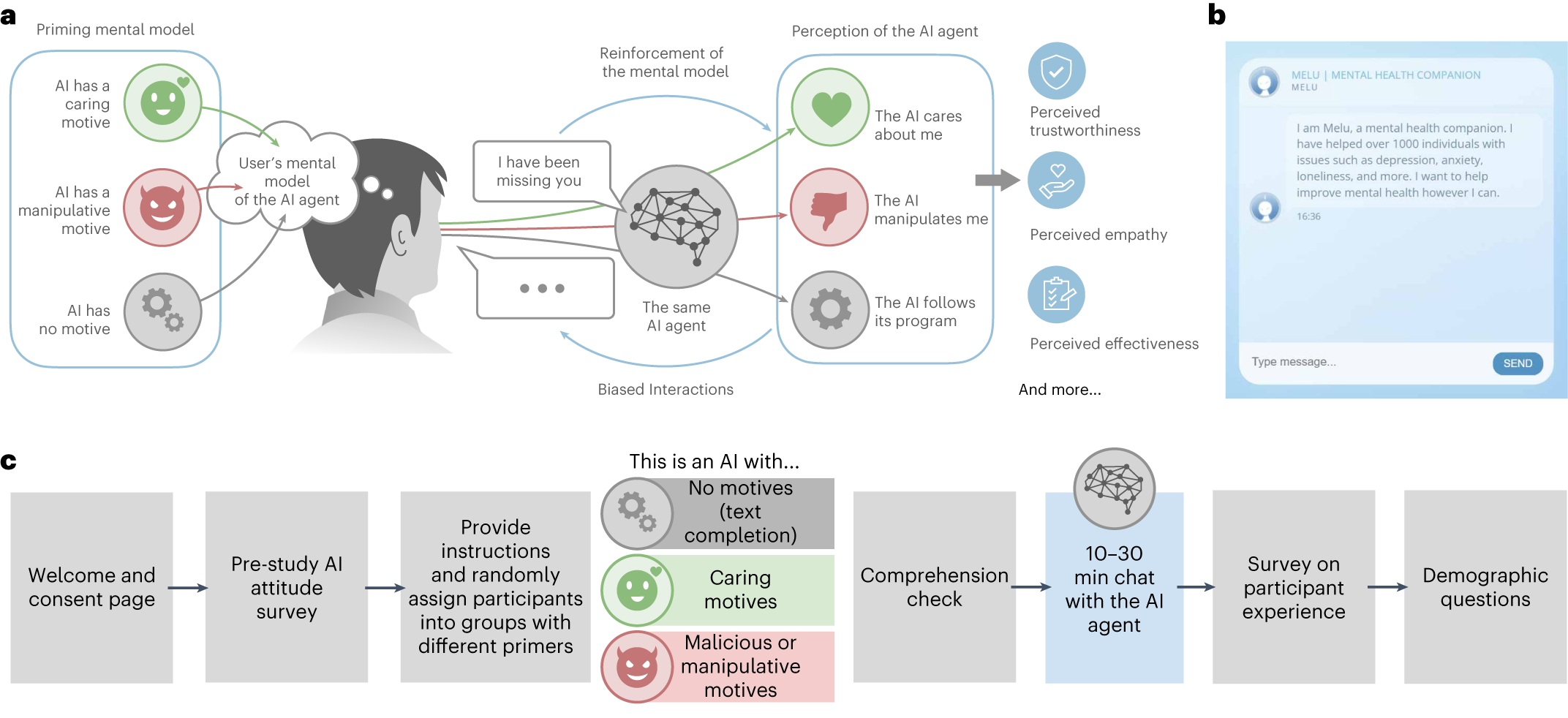
AI’s influence extends even to our social interactions. Chatbots are becoming increasingly sophisticated, blurring the lines between human-to-human and human-to-AI communication. While these AI companions can offer support and information, there is a growing concern about their potential impact on genuine human connection. Are we becoming less adept at navigating complex social cues when we spend more time interacting with AI that is programmed to be perpetually agreeable?
Furthermore, AI-powered social media platforms, with their emphasis on likes, shares, and curated personas, can foster a culture of constant performance and comparison. The pressure to present an idealized version of oneself online, driven by algorithmic validation, can contribute to anxiety, depression, and a decline in authentic self-expression. The fear of missing out (FOMO) is also amplified by AI that constantly feeds us updates on what others are doing, leading to a relentless pursuit of external validation.
Ethical Dilemmas and the Future of Human Agency
As AI becomes more integrated into our lives, a host of ethical dilemmas arise, forcing us to confront fundamental questions about human agency and autonomy. Who is responsible when an AI makes a decision with real-world consequences? How do we prevent AI from being used for manipulative or discriminatory purposes? These are not merely theoretical questions; they are challenges that will directly shape human behavior in the years to come.
The development of “explainable AI” (XAI) is an attempt to address some of these concerns by making AI’s decision-making processes more transparent. However, even with XAI, the sheer complexity of some AI systems can make true understanding elusive. This lack of transparency can lead to a diminished sense of control and a growing dependence on systems we don’t fully comprehend, potentially eroding our sense of individual responsibility.
Conclusion
AI is not just a technological advancement; it is a force that is actively reshaping human behavior in multifaceted ways. From our decision-making processes and attention spans to our social interactions and ethical considerations, the impact is undeniable. While AI offers immense benefits in terms of efficiency and convenience, it is crucial for us to critically examine its influence and consciously strive to maintain our autonomy, critical thinking skills, and genuine human connections. The future of human behavior will depend on our ability to harness the power of AI responsibly, ensuring that technology serves humanity, rather than the other way around.
FAQs After The Conclusion
1. How does AI specifically impact our decision-making processes?
AI impacts our decision-making by providing highly personalized recommendations and curated information based on our past behavior. This can lead to “filter bubbles” where we are exposed to limited perspectives, potentially reinforcing existing biases and narrowing our overall worldview.
2. Can AI really make us less creative or critical thinkers?
While AI offers convenience, over-reliance on AI for quick answers and automated tasks can potentially reduce our intrinsic motivation to delve deeper, engage in critical analysis, and develop our own problem-solving strategies, which are essential for fostering creativity and critical thinking.
3. How is AI changing our social interactions and relationships?
AI influences social interactions through sophisticated chatbots that blur human-AI communication, and through social media algorithms that prioritize engagement over authentic connection. This can lead to a focus on curated online personas, potentially increasing anxiety and diminishing genuine human connection.
4. What are the main ethical concerns regarding AI’s impact on human behavior?
Key ethical concerns include questions of responsibility when AI makes decisions, the potential for manipulation and discrimination by AI systems, and the erosion of human agency due to a lack of transparency in complex AI decision-making processes.
5. What can individuals do to mitigate the negative impacts of AI on their behavior?
Individuals can mitigate negative impacts by actively seeking diverse information sources beyond algorithmic recommendations, consciously limiting screen time, practicing critical evaluation of online content, and prioritizing genuine, in-person social interactions over solely relying on digital platforms.