

The Enduring Legacy of Nokia: From Paper to Pixels
Nokia, a name once synonymous with mobile phones, holds a unique and storied place in the annals of technology. From its humble beginnings as a paper mill in Finland to its dominance of the global mobile phone market, Nokia’s journey is a testament to innovation, resilience, and the ever-evolving landscape of consumer electronics. While the brand has faced its share of challenges in the smartphone era, its legacy continues to resonate, reminding us of a time when Nokia was the undisputed king of mobile communication.
Nokia’s story begins in 1865, not with circuits and screens, but with paper. Fredrik Idestam established a groundwood pulp mill on the banks of the Tammerkoski rapids in Tampere, Finland. Later, in 1868, he moved his operations to the banks of the Nokianvirta river, giving the company its name. The company’s focus expanded beyond paper, venturing into rubber products through Finnish Rubber Works in the late 1890s. In the early 20th century, Finnish Cable Works, specializing in telecommunications cables, joined the fold. These three companies, Nokia, Finnish Rubber Works, and Finnish Cable Works, eventually merged in 1967 to form the Nokia Corporation, a diversified conglomerate.
Nokia’s foray into telecommunications began in the 1960s with the development of radio transmission equipment. This marked a significant shift in the company’s focus, laying the groundwork for its future dominance in the mobile phone market. In the 1970s, Nokia developed the DX 200, a digital telephone exchange that became a cornerstone of its telecommunications infrastructure business. This system’s modular and scalable design allowed it to adapt to evolving network demands, a crucial factor in its success.
The 1980s witnessed the birth of the modern mobile phone industry, and Nokia was at the forefront of this revolution. In 1982, Nokia introduced the Mobira Senator, one of the first car phones. While bulky and expensive, it signaled Nokia’s commitment to mobile communication. The launch of the Nordic Mobile Telephone (NMT) network in 1981, a pioneering cellular network, provided a crucial platform for Nokia’s growth.
The 1990s were Nokia’s golden age. The company’s mobile phones became ubiquitous, synonymous with reliability, durability, and innovation.
Nokia 1011: The First GSM Handheld
In 1992, Nokia launched the Nokia 1011, its first GSM handheld mobile phone. This marked a pivotal moment, as GSM (Global System for Mobile Communications) became the dominant standard for digital mobile networks. The 1011’s sleek design and advanced features, such as the ability to send and receive SMS messages, set the stage for Nokia’s future success.
Nokia 2110: A Step Towards Mass Adoption
The Nokia 2110, released in 1994, further solidified Nokia’s position. It was smaller and lighter than its predecessors, making it more portable and appealing to a wider audience. Its improved antenna and enhanced features, including a phonebook and call logs, made it a popular choice.
Nokia 3210: The Game Changer
The Nokia 3210, launched in 1999, was a true game-changer. Its affordability, customizable features, and pre-installed games, such as Snake, made it a hit with young consumers. The 3210’s success propelled Nokia to the top of the mobile phone market, a position it held for many years.
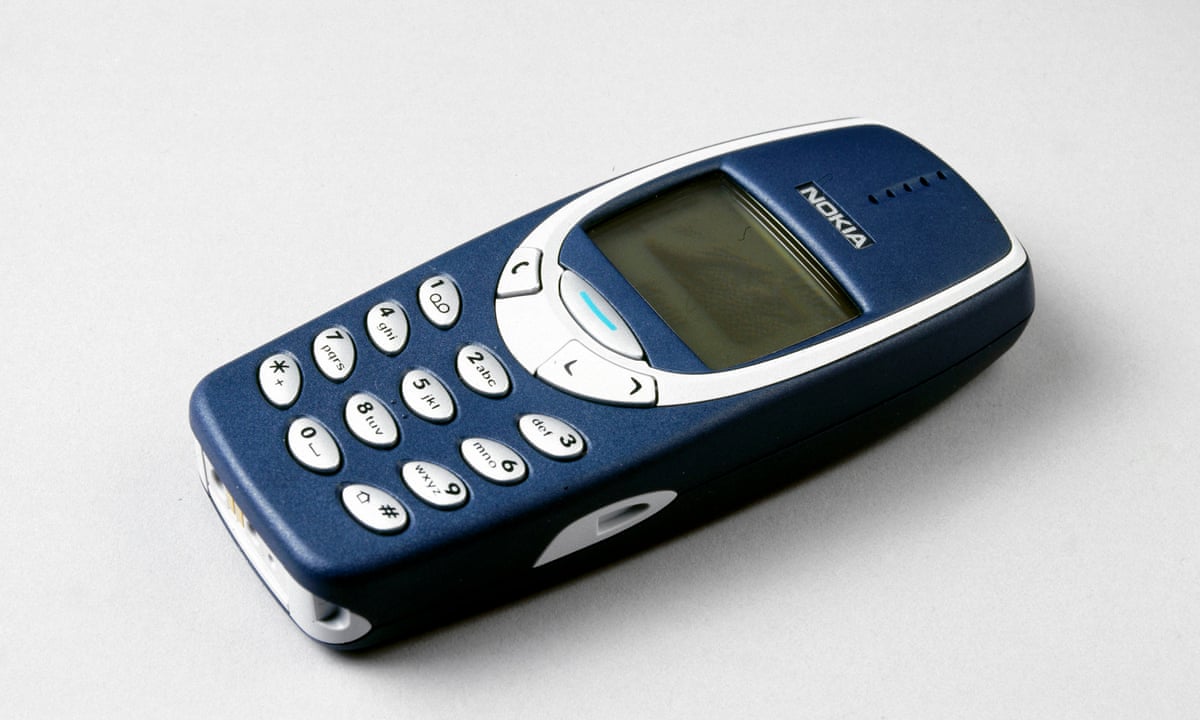
Nokia 3310: The Indestructible Legend
The Nokia 3310, also released in 2000, became a cultural icon, renowned for its durability and long battery life. Its simple design, intuitive interface, and affordability made it a favorite among users worldwide. The 3310’s reputation for being “indestructible” cemented its place in popular culture.
In the early 2000s, Nokia continued to innovate, introducing new features and technologies. The company adopted the Symbian operating system, which powered many of its smartphones.
Nokia 7650: The First Camera Phone
The Nokia 7650, released in 2002, was Nokia’s first camera phone. It featured a built-in digital camera, allowing users to capture and share photos. While the camera’s resolution was limited, it marked a significant step in the evolution of mobile phones.
Nokia N-Series: Multimedia Powerhouses
The Nokia N-series, launched in 2005, represented Nokia’s push into multimedia smartphones. These devices boasted advanced features, such as high-resolution cameras, music players, and internet connectivity. The Nokia N95, released in 2007, was a particularly popular model, featuring a 5-megapixel camera, GPS, and Wi-Fi.
While Nokia excelled in the feature phone market, it struggled to adapt to the rapidly changing landscape of smartphones. The rise of Apple’s iOS and Google’s Android operating systems presented a significant challenge.
The Decline of Symbian
Symbian, while powerful, became increasingly outdated compared to iOS and Android. Its complex interface and limited app ecosystem hindered its appeal to consumers. Nokia’s decision to stick with Symbian for too long proved to be a costly mistake.
The Microsoft Partnership: A Fateful Alliance
In 2011, Nokia entered into a strategic partnership with Microsoft, adopting the Windows Phone operating system. This move was intended to revitalize Nokia’s smartphone business, but it ultimately failed to gain traction. Windows Phone lacked the app ecosystem and user base of its competitors, and Nokia’s market share continued to decline.
In 2016, HMD Global, a Finnish company, acquired the rights to the Nokia brand. HMD Global has focused on reviving Nokia’s legacy, releasing a range of smartphones and feature phones that emphasize reliability, durability, and affordability.
Nokia’s Return to Android
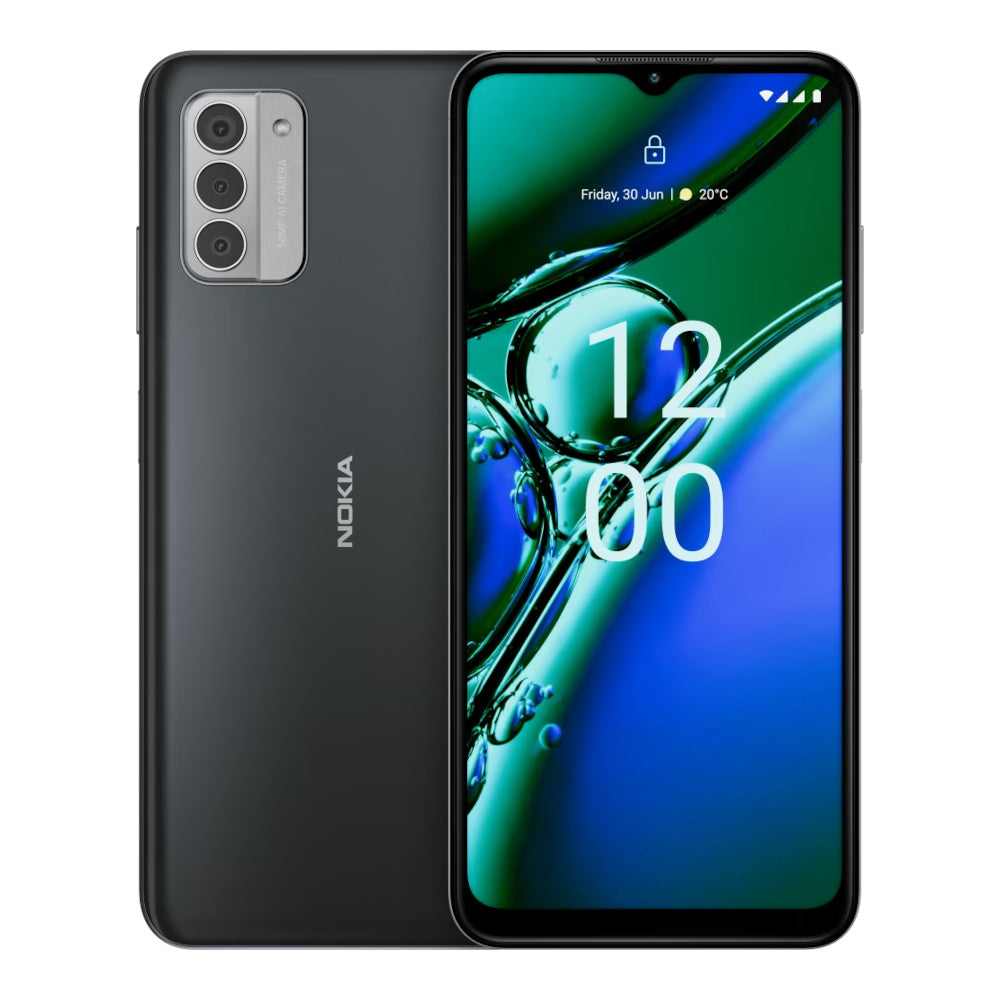
HMD Global’s Nokia phones run on the Android operating system, providing access to a vast ecosystem of apps and services. The company has also focused on providing pure Android experiences, with regular software updates and security patches.
Nokia’s Feature Phone Revival
HMD Global has also brought back classic Nokia feature phones, such as the Nokia 3310, appealing to nostalgia and offering affordable alternatives to smartphones. These feature phones have found a niche market, particularly in developing countries.
Despite the challenges it has faced, Nokia’s legacy continues to resonate. The brand’s reputation for reliability, durability, and innovation remains strong.
Nostalgia and Trust
For many, Nokia represents a simpler time, a time when mobile phones were primarily used for communication. The brand evokes feelings of nostalgia and trust, reminding us of the days when Nokia was the undisputed leader in mobile technology.
Focus on Durability and Affordability
HMD Global’s Nokia phones continue to emphasize durability and affordability, appealing to consumers who prioritize these qualities. The company’s commitment to providing pure Android experiences and regular software updates has also been well-received.
Nokia’s journey is a testament to the ever-changing landscape of technology. While the brand may no longer hold the same dominance it once did, its legacy remains strong. HMD Global’s efforts to revive Nokia’s brand have shown promise, and the company continues to innovate and adapt to the evolving needs of consumers.
The future of Nokia remains to be seen, but one thing is certain: the brand’s enduring legacy will continue to shape the mobile phone industry for years to come. The name Nokia, once synonymous with the future of mobile communication, now represents a history of change and adaptation. From paper to pixels, Nokia’s story is a reflection of the technological advancements that have shaped our world.