

ai in Online Learning: Revolutionizing Education in the Digital Age
The world of education is constantly evolving, and perhaps no force is pushing that evolution faster than Artificial Intelligence (AI). We’re not talking about sci-fi robots teaching classes (yet!), but rather the subtle, powerful ways AI is reshaping how we learn online. From how courses are designed to how students receive feedback, AI is quietly, yet profoundly, changing the game. This isn’t just about making things a bit easier; it’s about fundamentally altering the learning experience to be more personal, efficient, and accessible for everyone.
The Rise of Online Learning and the Need for Innovation
Before we dive into AI, let’s acknowledge the massive shift towards online learning. Over the past decade, and especially in recent years, online courses, virtual classrooms, and remote educational programs have become incredibly popular. They offer flexibility, global reach, and often more affordable options than traditional brick-and-mortar institutions. However, online learning also comes with its own set of challenges. Keeping students engaged without the physical presence of a teacher, providing personalized support to a diverse cohort, and effectively assessing progress at scale can be tricky. This is where AI steps in, offering innovative solutions to these very real problems.
Personalized Learning Paths Tailored by AI
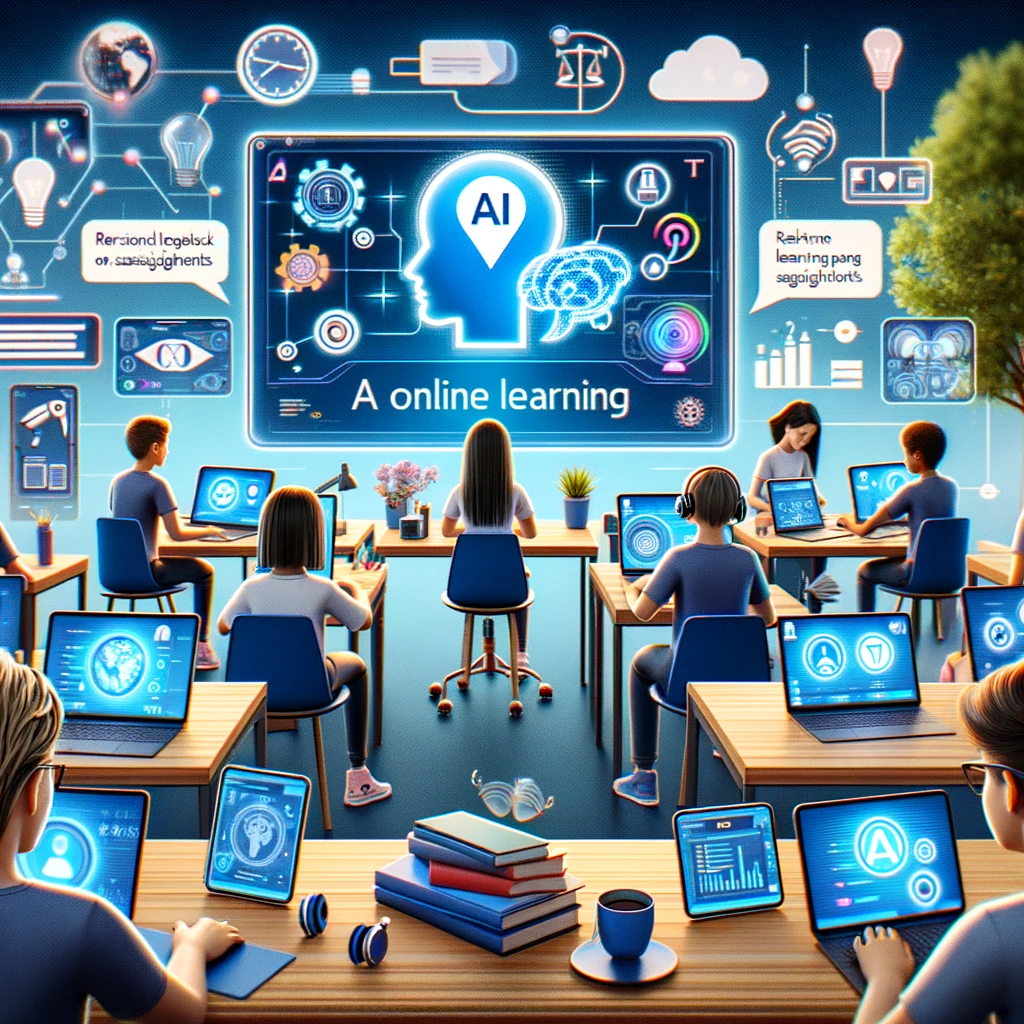
One of the most exciting aspects of AI in online learning is its ability to create truly personalized learning experiences. Think about it: in a traditional classroom, a teacher has to cater to dozens of students, each with their own pace, learning style, and existing knowledge. It’s a huge challenge. AI-powered platforms, however, can analyze a student’s performance data, their interactions with the material, and even their preferences, to craft a unique learning journey for them.
# How AI Achieves Personalization
AI algorithms are like super-smart tutors that constantly observe and adapt. They can:
This level of customization means that online learning can finally move beyond a one-size-fits-all approach and truly cater to the individual.
Automated Assessment and Instant Feedback
Remember waiting anxiously for your graded essays or test results? With AI, those days are increasingly becoming a thing of the past. AI is revolutionizing assessment in online learning, making it faster, more consistent, and incredibly insightful.
# The Power of AI in Grading
This shift frees up educators from time-consuming grading tasks, allowing them to focus on more complex, higher-value interactions with students.
Enhanced Engagement and Interactive Learning
Online learning can sometimes feel a bit isolating. Staring at a screen for hours without much interaction can lead to disengagement. AI is stepping up to make online learning more dynamic and interactive, keeping students hooked.
# How AI Boosts Engagement
These advancements create a more stimulating and less passive learning environment, mimicking the dynamic feel of a good in-person class.
Data-Driven Insights for Educators
AI isn’t just helping students; it’s also providing educators with powerful tools to understand their students better and refine their teaching strategies. The sheer amount of data that AI can collect and analyze in an online learning environment is a goldmine for educators.
# Leveraging Data for Better Teaching
With these insights, educators can move from guesswork to data-informed decision-making, leading to more effective and impactful teaching.
Challenges and Considerations
While the potential of AI in online learning is immense, it’s not without its challenges. It’s important to approach this integration thoughtfully.
# The Hurdles to Overcome
Addressing these challenges requires ongoing research, ethical guidelines, and collaborative efforts from educators, developers, policymakers, and students themselves.
The Future is Now: What’s Next for AI in Online Learning?
The journey of AI in online learning is just beginning, and the future holds even more exciting possibilities. We can expect to see AI becoming even more sophisticated and seamlessly integrated into the learning experience.
# Emerging Trends and Possibilities
The aim is not to have AI replace human teachers, but rather to empower them, allowing them to focus on the higher-order thinking, emotional support, and creative aspects of education that only humans can provide. AI will continue to evolve as a powerful tool, making online learning more effective, accessible, and engaging for everyone.
Artificial Intelligence is undoubtedly transforming online learning, making education more personalized, efficient, and interactive than ever before. From tailoring learning paths to providing instant feedback and offering valuable insights to educators, AI is proving to be a game-changer. While challenges like data privacy and algorithmic bias need careful consideration, the ongoing development and thoughtful implementation of AI hold immense promise for the future of education. As we continue to embrace this technology, we move closer to a world where every learner can access a high-quality, customized educational experience that truly meets their unique needs and potential. The digital classroom, powered by AI, is becoming a more dynamic, supportive, and engaging place to learn and grow.
5 Unique FAQs After The Conclusion
What is the primary benefit of AI in online learning?
The primary benefit of AI in online learning is its ability to deliver highly personalized learning experiences. By analyzing individual student data, AI can adapt content, pacing, and feedback to match each learner’s unique needs, preferences, and progress, something that is incredibly challenging to achieve at scale in traditional educational settings.
Can AI completely replace human teachers in online learning?
No, AI cannot completely replace human teachers in online learning. While AI excels at automating tasks like grading, providing instant feedback, and personalizing content delivery, it lacks the human touch, empathy, critical thinking, and nuanced understanding that human educators bring to the classroom. AI is best viewed as a powerful tool that augments and empowers teachers, allowing them to focus on the more complex and human-centric aspects of education.
How does AI help with student engagement in online courses?
AI boosts student engagement in online courses by offering interactive elements like virtual tutors and chatbots, integrating gamification into learning activities, and adaptively presenting content in various formats (videos, simulations, text) to keep learners interested. It can also provide personalized recommendations for activities or topics that align with a student’s engagement patterns.
What are the main ethical concerns surrounding AI in online education?
The main ethical concerns surrounding AI in online education include data privacy and security, as AI systems collect and analyze vast amounts of student information. There are also concerns about algorithmic bias, where biases in training data could lead to unfair outcomes. Additionally, the digital divide and the potential for over-reliance on AI, potentially hindering critical thinking skills, are significant ethical considerations.
How can educational institutions ensure fair and equitable access to AI-powered online learning tools?
Educational institutions can ensure fair and equitable access to AI-powered online learning tools by addressing the digital divide through initiatives that provide internet access and devices to underserved students. They should also implement robust policies to mitigate algorithmic bias, ensure data privacy, and provide comprehensive training for educators on how to use AI tools effectively and ethically, making sure no student is left behind.