Lights, Camera, ai! How Text-to-Video Apps Are Changing the Content Game
Ever dreamed of turning your brilliant ideas, witty tweets, or even your grandma’s secret recipes into engaging videos without ever touching a camera or learning complex editing software? Well, buckle up, because the future is here, and it’s powered by AI. Text-to-video apps are rapidly emerging as a game-changer for content creators, marketers, educators, and pretty much anyone who wants to tell a story with moving pictures, but without all the hassle.
What Exactly Are We Talking About?
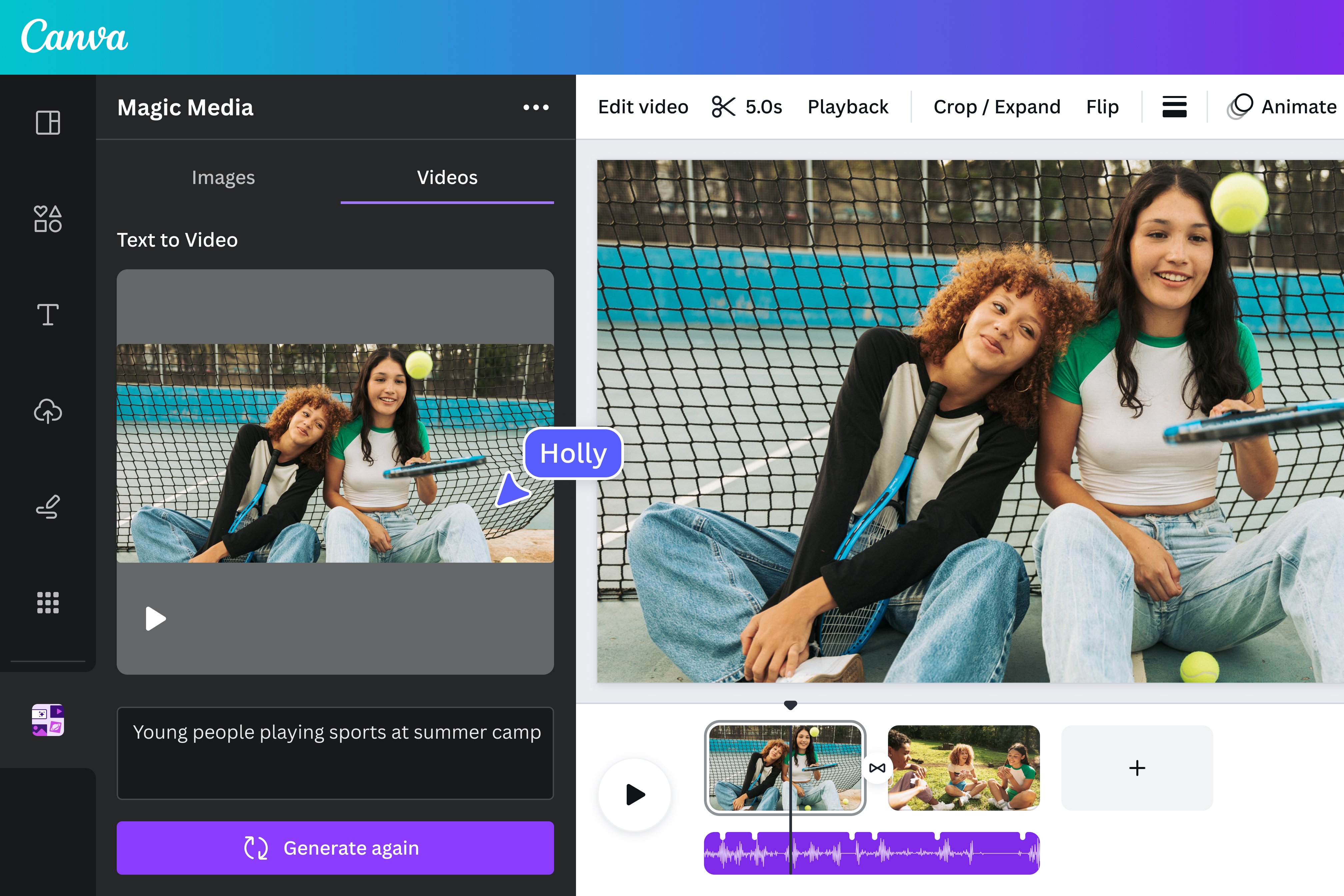
At its core, a text-to-video AI app is exactly what it sounds like: a magical piece of software that takes written words and transforms them into a visual narrative. Think of it as having a miniature film studio right at your fingertips, ready to animate your script with just a few clicks. You type, the AI generates. It’s that simple.
AI Video Generator: Text to Video AI Tool Canva
These aren’t just glorified slideshows, either. We’re talking about sophisticated algorithms that can interpret the sentiment of your text, select appropriate visuals (from stock footage to custom-generated scenes), add voiceovers (often AI-generated themselves, with surprisingly natural-sounding voices), background music, and even subtle animations and transitions. The goal is to produce a video that looks and feels like it was professionally made, all from a simple text input.
The Magic Behind the Scenes: How Does it Work?
While it might seem like pure wizardry, the technology behind these apps is a fascinating blend of several AI disciplines:
Natural Language Processing (NLP): This is where the AI truly “understands” your text. NLP algorithms analyze your words, sentences, and paragraphs to grasp the meaning, context, and even the emotional tone. It identifies keywords, themes, and the overall narrative arc.
Computer Vision: Once the AI understands your text, computer vision comes into play. This branch of AI allows the system to “see” and interpret images and videos. It helps the AI select relevant visual assets from its vast library or generate new ones based on the textual description. If you write “a bustling city street,” the computer vision module helps find or create an appropriate visual.
Generative Adversarial Networks (GANs) and Diffusion Models: These are the creative engines. GANs, for example, involve two neural networks – a generator and a discriminator – that work in tandem. The generator creates new data (like images or video frames), and the discriminator tries to tell if the data is real or fake. This constant back-and-forth refines the generator’s ability to produce increasingly realistic and relevant visuals. Diffusion models are another powerful technique, gradually adding “noise” to an image and then learning to reverse the process to generate new images from pure noise, offering incredible control over image synthesis.
Speech Synthesis (Text-to-Speech): Many of these tools come with integrated text-to-speech capabilities. Advanced neural networks can convert your written script into natural-sounding speech, complete with various accents, tones, and even emotional inflections. This eliminates the need for voice actors or recording your own narration.
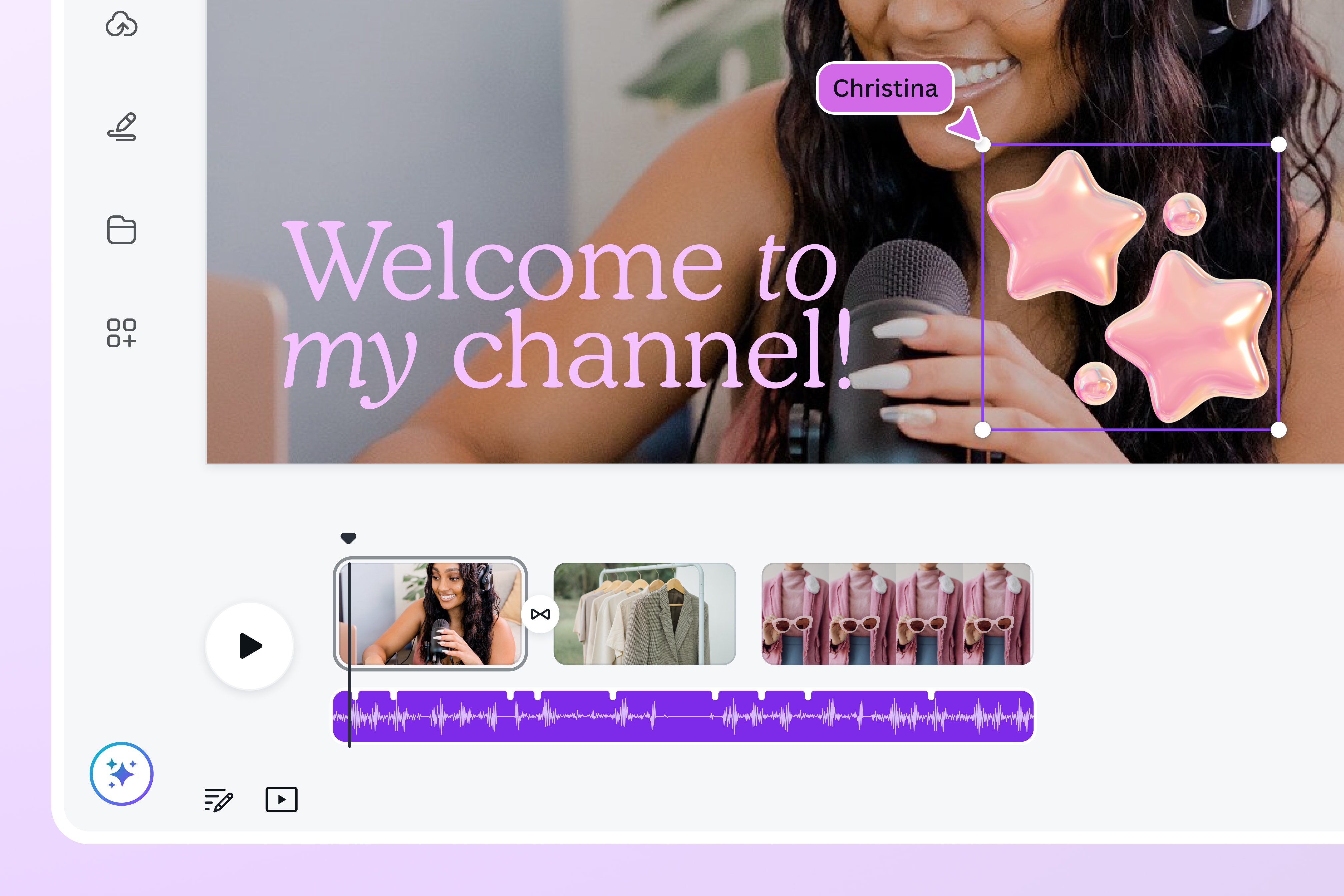
Automated Editing and Composition: This is where the pieces come together. The AI automatically stitches together the chosen visuals, overlays the voiceover, adds background music, and applies transitions and effects to create a cohesive video. Some apps even offer basic editing features for users to fine-tune the AI’s output.
AI Video Generator: Text to Video AI Tool Canva
Who Can Benefit from This Tech?
The applications of text-to-video AI are incredibly diverse and are already making waves across various industries:
Content Creators & Influencers: Imagine quickly turning blog posts into video summaries for YouTube or TikTok, or transforming written reviews into engaging product showcases. This dramatically speeds up content production and allows creators to reach a wider audience across different platforms. No more spending hours on video editing – just focus on your message!
Marketers & Businesses: Explainer videos, product demos, social media ads, and promotional content can be generated in minutes. This is a huge boon for small businesses without large marketing budgets or dedicated video teams. It allows for rapid A/B testing of different video concepts and quick adaptation to market trends.
Educators & Trainers: Creating engaging educational content, tutorials, or training modules becomes much simpler. Teachers can turn lesson plans into animated explanations, and corporate trainers can develop interactive learning materials without needing a video production crew.
Journalists & News Outlets: Quickly transforming written news articles into video briefs for social media or news websites can help disseminate information faster and in a more digestible format for viewers.
Authors & Storytellers: Visualize scenes from your books, create animated trailers, or bring your short stories to life in a dynamic way, reaching a new audience who prefers video content.
Anyone with a Message: Even for personal use, these apps can be fantastic. Want to create a video invitation for a party, a personalized greeting, or a quick visual summary of your travel adventures from your written journal? The possibilities are endless.
The SEO Advantage: Why Video is King (and How AI Helps)
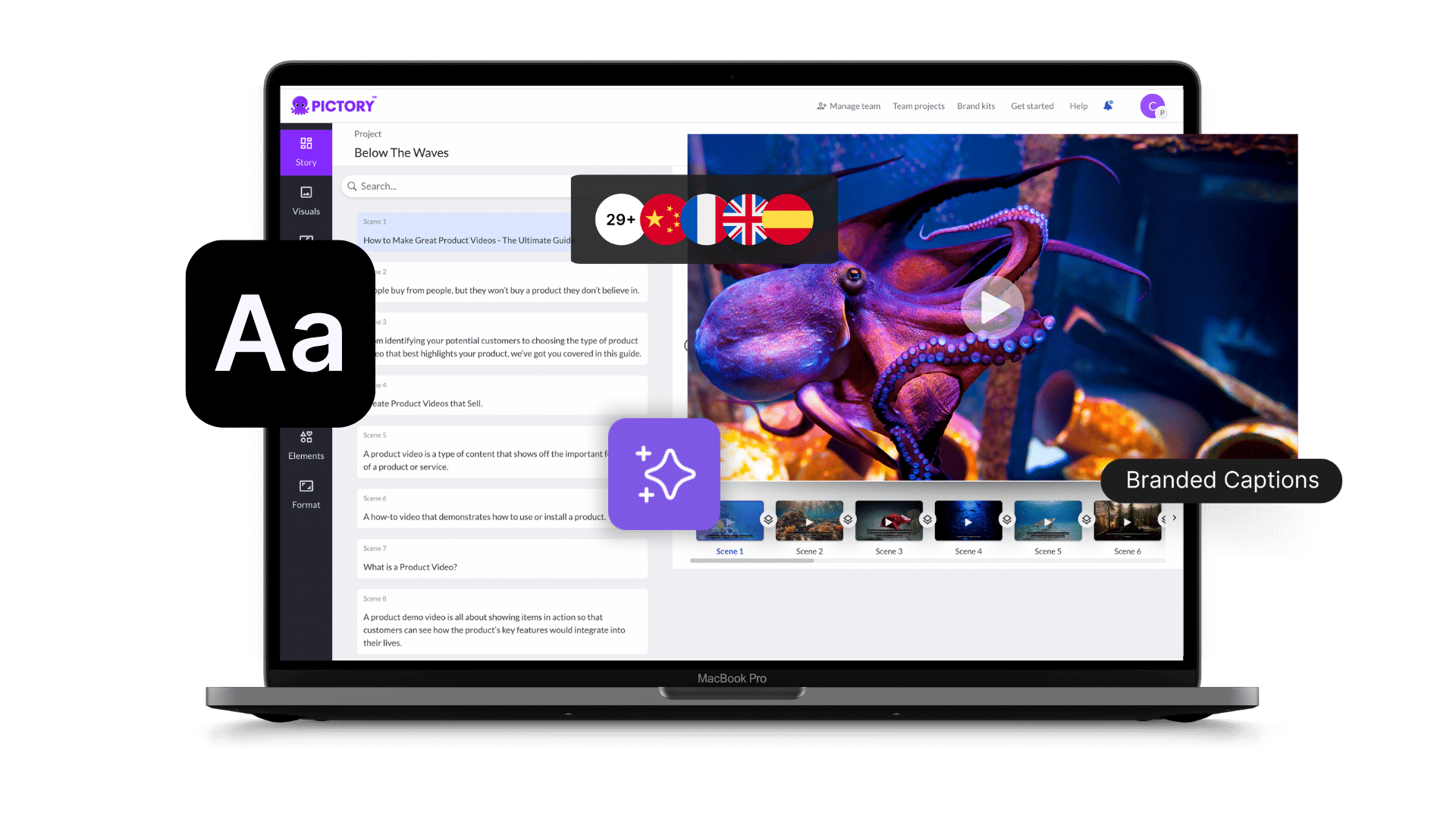
Text to Video Generator
You mentioned SEO, and you’re absolutely right to focus on it. Video content has become undeniably crucial for search engine optimization. Here’s why, and how text-to-video AI plays a vital role:
Increased Engagement & Dwell Time: Videos are inherently more engaging than plain text. When users spend more time on your page watching a video, it signals to search engines like Google that your content is valuable and relevant. This increased “dwell time” can significantly boost your search rankings.
Higher Click-Through Rates (CTRs): Videos often stand out in search results, especially if they have compelling thumbnails. This can lead to higher click-through rates from the search engine results page (SERP) to your website, another positive signal for SEO.
Rich Snippets & Video Carousels: Google often features videos in “rich snippets” or dedicated video carousels at the top of search results. Having your content appear in these prominent positions can drive massive organic traffic. AI-generated videos make it easier to produce the volume of video content needed to capitalize on this.
Backlink Opportunities: High-quality, engaging videos are more likely to be shared and embedded on other websites, leading to valuable backlinks. Backlinks are a cornerstone of off-page SEO and significantly contribute to domain authority and search rankings.
Accessibility & User Experience: Videos cater to different learning styles and preferences. Some people prefer to watch rather than read. Offering video alongside text improves the overall user experience, which Google increasingly prioritizes.
YouTube as a Search Engine: Don’t forget that YouTube is the second largest search engine in the world. By easily converting your text content into videos, you can tap into YouTube’s massive audience and drive traffic back to your website.
Semantic Understanding for Google: As AI advances, Google’s ability to understand video content is improving. While the text in your video (through captions and transcripts) is crucial, the visual cues and overall narrative generated by text-to-video AI can also contribute to Google’s understanding of your content’s relevance.
Cost-Effectiveness and Scale: Traditional video production is expensive and time-consuming. Text-to-video AI drastically reduces these barriers. This means you can produce a much larger volume of video content, covering more keywords and topics, and consistently feed the search engines with fresh, engaging material. The more quality content you have, the more opportunities you have to rank.
Repurposing Content: You’ve already written that fantastic 2000-word article. Why not repurpose it into a series of shorter videos, or even one long explainer video? This maximizes the value of your existing content and expands your reach without starting from scratch.
Key Features to Look For in a Text-to-Video AI App
When exploring these tools, you’ll want to consider several features to ensure you pick the right one for your needs:
Quality of Output: This is paramount. Does the generated video look professional? Are the visuals relevant and high-quality? Do the AI voices sound natural and expressive?
Customization Options: Can you choose different voice styles, background music, visual themes, and even upload your own branding elements (logos, colors)? The more control you have, the better.
Stock Media Library: A vast and diverse library of stock images, videos, and music is essential to find appropriate visuals for your text.
Text-to-Speech Quality: Listen to samples of the AI voices. Are they clear, natural, and do they offer a range of accents and emotions?
Ease of Use: Is the interface intuitive? Can you quickly generate a video without a steep learning curve?
Script Editing & Refinement: Can you easily edit your script within the app, and does the AI adapt the video accordingly?
Export Options: What video formats and resolutions are supported? Can you export directly to social media platforms?
Pricing Model: Many offer free tiers with limited features, or subscription models based on video length, resolution, or number of exports.
Support for Multiple Languages: If you plan to create content for a global audience, multi-language support is a huge plus.
Integration with Other Tools: Does it integrate with your existing content management systems or marketing tools?
The Future is Visual: Embracing AI in Your Content Strategy
The rise of text-to-video AI apps isn’t just a fleeting trend; it’s a significant shift in how we create and consume content. As these technologies become more sophisticated and accessible, they will democratize video production, allowing individuals and small businesses to compete with larger organizations in the visual content space.
For SEO, this means that neglecting video is no longer an option. Search engines are increasingly prioritizing rich, engaging media, and video is at the forefront of that. By leveraging text-to-video AI, you can:
Scale your video content production: Generate more videos, more frequently, to cover a wider range of topics and keywords.
Improve user engagement metrics: Keep visitors on your site longer and encourage them to interact with your content.
Gain visibility in video search results: Capture traffic from YouTube and Google’s video carousels.
Repurpose existing content efficiently: Breathe new life into your blog posts, articles, and reports by transforming them into dynamic videos.
Reduce costs and time: Eliminate the need for expensive equipment, software, or professional video editors.
Of course, it’s not a magic bullet. While AI can handle the heavy lifting, the quality of your initial text input remains crucial. A well-written, engaging script will always be the foundation of a great video, regardless of how it’s produced. The AI is a tool, and like any tool, its effectiveness depends on the skill of the user.
In conclusion, if you’re serious about your SEO and want to stay ahead in the ever-evolving digital landscape, exploring text-to-video AI apps is a must. They offer an unparalleled opportunity to enhance your content strategy, reach new audiences, and ultimately, climb higher in those coveted search engine rankings. So, start typing, and let the AI bring your words to life! The future of content is visual, and it’s more accessible than ever before.